
Record three things separately: presence (the item exists), condition (its cosmetic state), and tested functionality (it operates when you try it). State exactly what you tested and how, for example ‘tap run, hot and cold confirmed’. Where you could not test, say so and give the reason. Never let a functional check read as a safety certificate.
An inventory clerk records the condition of a property at a point in time, clearly enough that it stands as evidence later. This guidance covers residential lettings in England. The principle holds elsewhere in the UK, but the legal backdrop referred to here is English.
You are not an electrician, a gas engineer or an alarm tester. Whether a socket carries power is a different question from whether the wiring is safe. Keep those two ideas apart in your head and on the page, and most of the risk in this area disappears.
What are presence, condition and function?
They are the three separate things you record for any item, and confusing them is where reports go wrong.
Presence means the item is there. A radiator is fitted to the wall. Three keys are handed over. An extractor fan is installed above the hob.
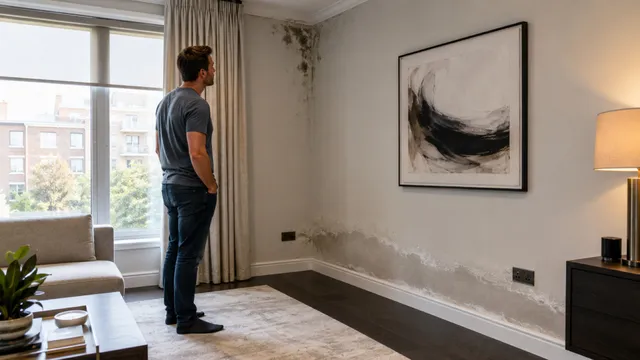
Condition means its cosmetic and physical state. The radiator is lightly scratched. The extractor grille is dust-clogged. This is about appearance and wear, not operation.
Function means it works when you operate it. You turned the tap and hot water came through. You flicked the light switch and the bulb lit. You opened and closed the window on its latch.
An item can be present and in good condition but not work. A smart-looking dishwasher can be spotless and dead. If you only record condition, you have said nothing about whether it runs.
Why record function separately?
Because silence in a report tends to be read as ‘fine’. If your inventory lists an oven with a clean condition note and says nothing about operation, a reader assumes it works. If it turns out the oven never heated, you are now on the wrong side of a question you never actually answered.
This is worth attention as the Renters’ Rights Act 2025 beds in. A vague or silent report invites the inference that everything was working at check-in. An honest note that you did not test an item, and why, protects both you and the parties relying on the report. As a matter of good practice, it is far better to write ‘oven not tested, isolated at wall’ than to leave a gap that later reads as a claim.
The Tenancy Deposit Scheme’s guidance on evidence is consistent on this point: detail and clarity are what make a report persuasive at adjudication. A functional note you can stand behind is stronger evidence than a blanket assurance you cannot.
How do you state what you actually tested?
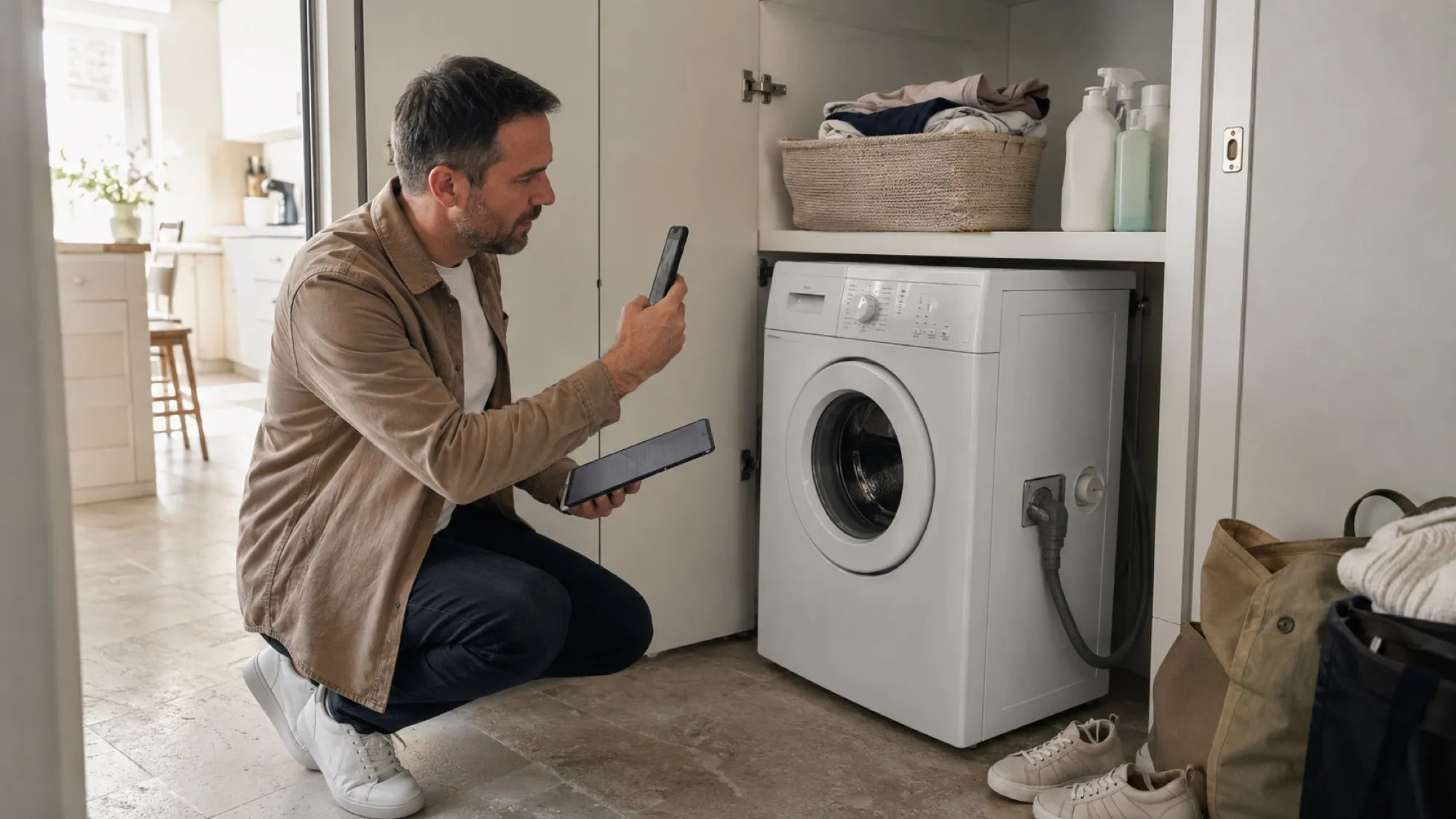
Write what you did, in plain terms, so anyone reading knows the exact check performed. Good functional notes describe the action and the result.
- ‘Tap run, hot and cold confirmed.’
- ‘Window opens and closes on latch, key present.’
- ‘Ceiling light operated from switch, bulb working.’
- ‘Sockets present, not tested.’
- ‘Extractor fan operated, running audibly.’
Notice the last one about sockets. You are recording presence and being explicit that you did not test them. That is honest and it is defensible. What you must never do is write ‘sockets working’ when you only looked at the faceplates.
Where is the line with safety certification?
The line is that a functional check tells you an item did something once, when you tried it. It says nothing about whether the item is safe, compliant or legally certified. Those are separate assessments carried out by qualified people, and the law treats them separately.
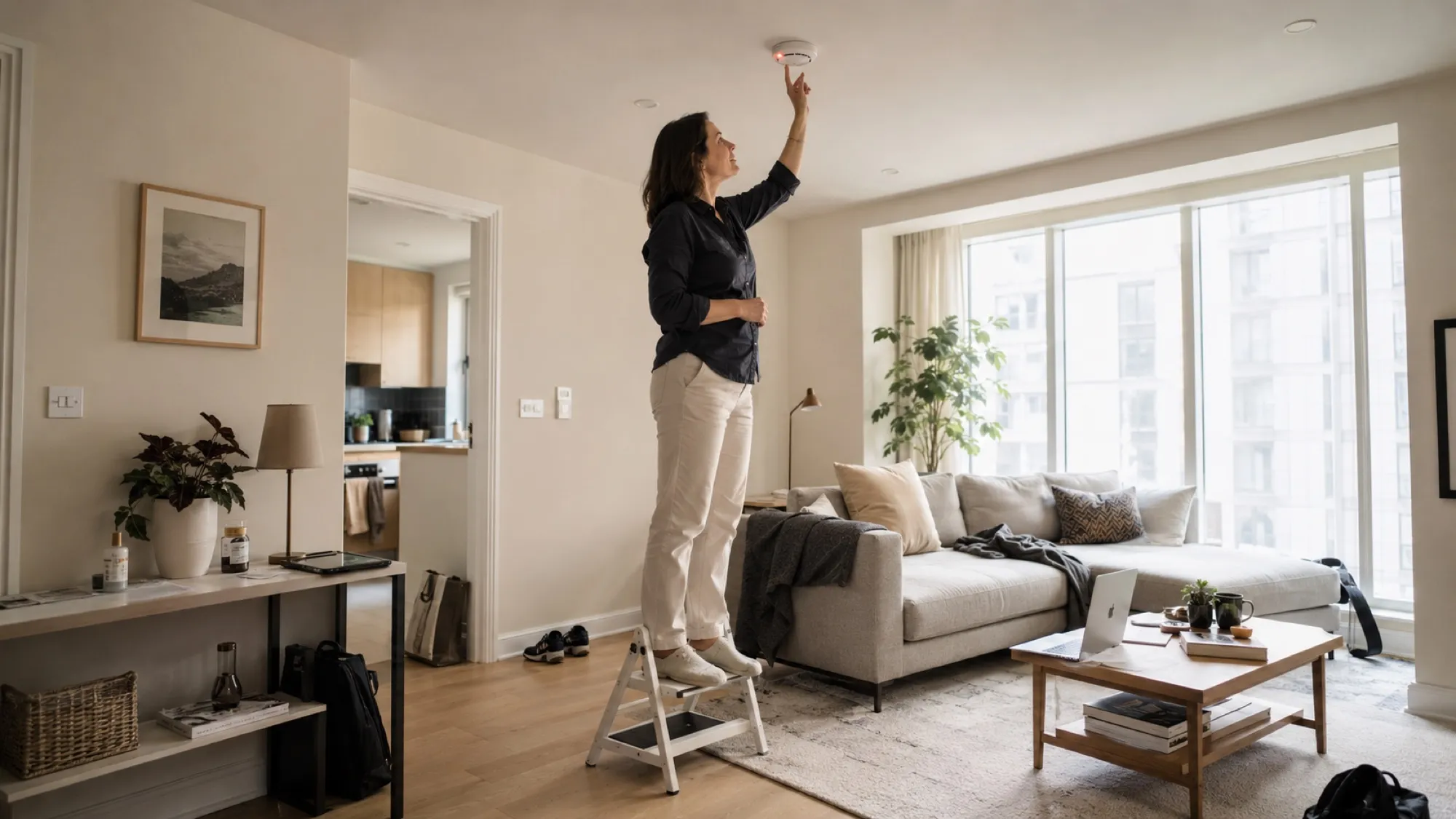
Confirming a socket has power is not an electrical safety assessment. In England, that is the job of a qualified electrician producing an Electrical Installation Condition Report. Confirming a gas hob lights is not a gas safety check; that is a Gas Safe registered engineer producing a Gas Safety Record. Pressing the test button on a smoke alarm and hearing it sound tells you the alarm responded at that moment. It does not certify the alarm system or discharge the landlord’s duties.
GOV.UK sets out landlord safety responsibilities across gas, electrics and alarms, and those responsibilities sit with the landlord and their qualified contractors, not with the inventory clerk. Your report should describe what you observed and never imply a certification you did not perform. If a landlord wants proof that installations are safe, that comes from the relevant certificate, not from your inventory.
A simple rule keeps you clear: describe the action and the observed result, and stop there. ‘Smoke alarm test button pressed, alarm sounded’ is a fair record. ‘Smoke alarm compliant’ is not something you are in a position to write.
Item state versus wording to use
Use consistent language for each of the four states you will meet on a job. This keeps reports readable and stops any state being mistaken for another.
Item state
What it means
Wording to use
Wording to avoid
Present, not tested
The item is present, but it was not or could not be operated
“Present, not tested due to no power at the property”
“Working” or “in working order”
Tested, working
The item was operated and functioned as expected
“Tap run; hot and cold water confirmed”
“All fine” or “No issues”
Tested, faulty
The item was operated but did not function correctly
“Switched on; no response. Item appears faulty”
“Broken” without describing the test carried out
Not present
An expected item is absent
“No extractor fan fitted above the hob”
Omitting the item from the report without explanation
Why does ‘all in working order’ cause trouble?
Because you cannot stand behind it item by item, and a blanket statement is only as strong as its weakest item. If your report says ‘all appliances in working order’ and one appliance was unplugged when you visited, the whole sentence is now unreliable. A single failure undermines the credibility of the rest.
Record function per item, or per group only where you genuinely checked each one. ‘All three hob rings ignited’ is fine if you lit all three. ‘Kitchen fully functional’ is not, because it claims more than any check can support.
What if you could not test something?
Say so, and give the reason. The three common reasons are no power, no water supply, and an appliance that is unplugged or isolated. Each produces the same honest note: state that you could not test, and why.
- ‘Immersion heater not tested, no power at check-in.’
- ‘Washing machine not tested, isolated and pulled from housing.’
- ‘Outside tap not tested, mains stopcock off.’
This is not a weakness in your report. It is precisely the detail that makes the report honest. A clerk who records limits is more credible than one whose report implies a level of testing that never happened.
A method that stops you skipping things
The following is a practitioner routine, not a legal requirement. It is simply a way to make sure nothing gets missed, and consistency is what turns individual notes into a reliable report.
In each room, run the same sequence:
-
Lighting: operate each switch, note whether bulbs work or are absent.
-
Sockets and fittings: record presence, and whether you tested (usually not).
-
Windows and doors: open, close, latch, note keys.
-
Water outlets: run taps, confirm hot and cold, check visible flow and drainage.
-
Appliances: operate where safe and possible, record the check or the reason you could not.
-
Heating: note radiators present, operate where the system is on, otherwise record ‘heating off, not tested’.
Keeping a short set of language templates on your device for tested, not tested and not present helps your wording stay uniform across every job. Uniform wording is easier to read, easier to defend, and quicker to write.
What to watch next?
As the Renters’ Rights Act 2025 beds in, the quality of check-in evidence is likely to matter more, not less, because disputes can arise well after the original move-in. The safest position remains unchanged: record presence, condition and tested function as three separate things, state exactly what you did, and never let a functional check read as a safety certificate.
This is general guidance, not legal advice. For a specific dispute or a question about safety compliance duties, speak to a qualified adviser or the relevant certified contractor.
Sources:
- GOV.UK, private renting guidance for landlords and tenants (landlord safety responsibilities): gov.uk/government/…
- Tenancy Deposit Scheme, resources and guidance on report detail and evidence: tenancydepositscheme.com/resources