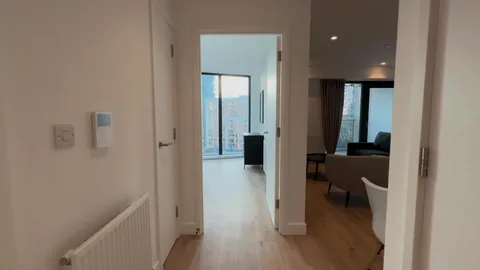
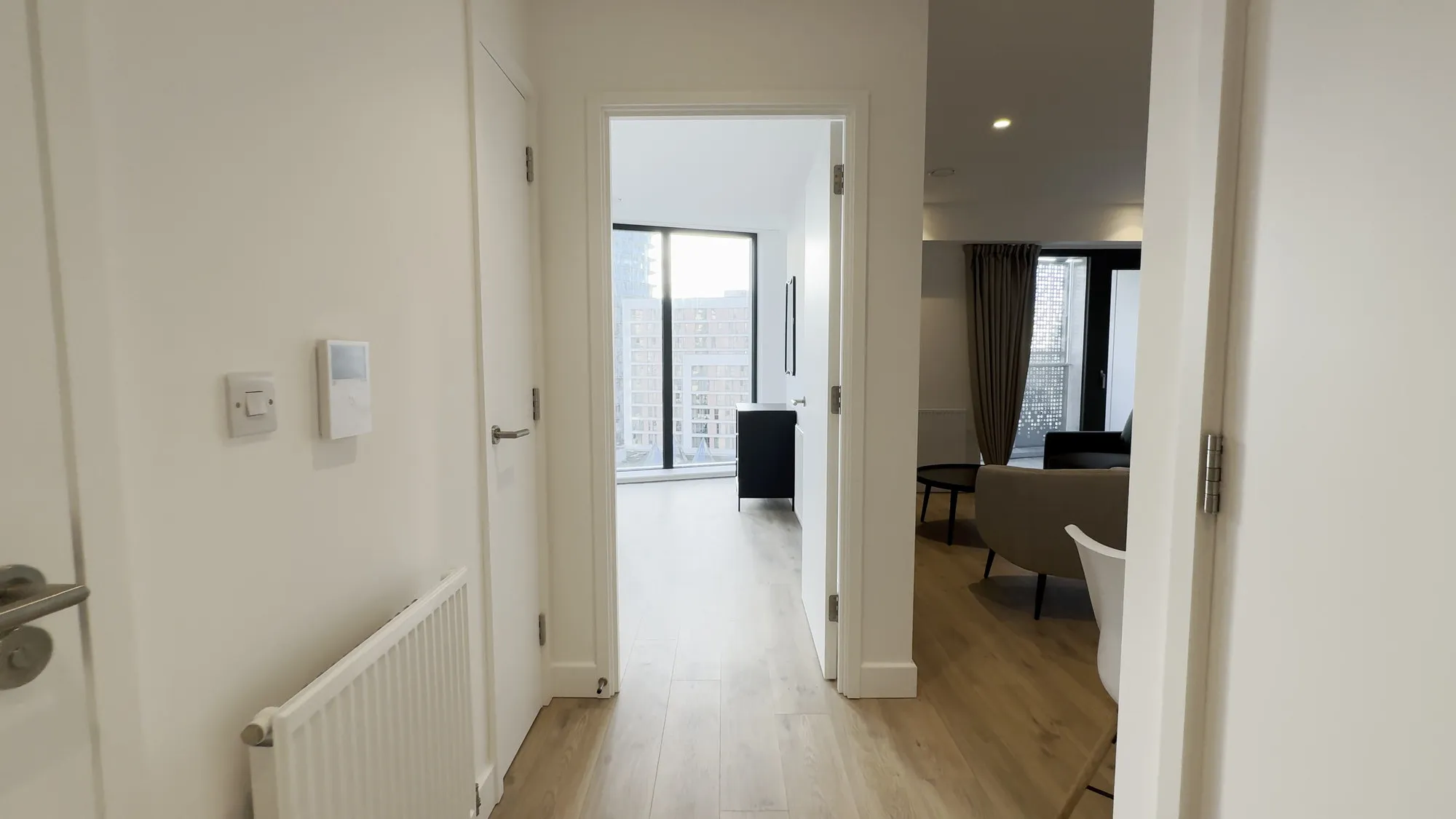
A check-in inventory is a written and photographic assessment of a property’s condition and contents at the moment a tenancy begins.
It forms the legal and operational benchmark for everything that follows. It’s an evidence-based document designed to establish what was present, and in what condition when responsibility is transferred from landlord to resident.
The check-in inventory serves multiple functions simultaneously
- Legal compliance with Tenancy Deposit Scheme requirements
- Insurance validation
- Dispute prevention
It’s the first operational signal to residents that their tenancy will be managed with precision and care.
What we document in our check-in reports
Professional check-in inventories extend far beyond simple room lists. They provide forensic-quality assessment designed to withstand legal scrutiny and provide clarity years after completion.
Walls
Wall condition disputes represent a substantial proportion of TDS adjudications, so we record:
- Paint finish quality, existing marks or repairs
- Settlement cracks and previous picture hook holes
- Textured finishes and feature walls
This level of detail matters because disputes rarely involve deliberate damage. They involve interpretation of what constitutes normal wear versus actionable deterioration.
Flooring
Flooring assessment adapts to the material. On we record:
- Existing stains or wear patterns
- Seam quality
- Marks from furniture or foot traffic
On hard flooring we look for:
- Existing scratches
- Chips at thresholds, where damage commonly occurs
- condition in tiled areas
- The quality of transitions between rooms
Furniture and soft furnishings
A £4,000 designer chair isn’t recorded as “grey chair”. It’s documented in enough detail to distinguish factory-fresh from showroom display from previous use, which becomes essential when disputes involve substantial replacement costs or when insurance claims require precise asset valuation. We record its:
- Manufacturer
- Model
- Material specification
- Existing condition
Soft furnishings like curtains, blinds and upholstered pieces depreciate invisibly and are frequently disputed. We document fabric type, lining condition (particularly important for expensive curtains, where replacement can cost £800 to £1,200 per ), mechanism operation, and any existing stains, fading or wear patterns.
Kitchen and appliances
We test that power on, but we record much more than whether they work:
- Serial numbers
- Internal condition of ovens and fridges
- Worktop material and edges, checking for chips or scratches around sinks and hobs
- Cabinet door alignment and soft-close function
- Drawer interiors and shelf condition
Bathrooms
We focus on the areas that deteriorate gradually and often lead to disputes:
- Sanitaryware material and existing chips or cracks
- Sealant condition around baths and showers
- Grout colour and any existing discolouration
- Shower screen condition, including limescale and sealant integrity
- Tile condition, noting any damage
These elements change subtly over months, which makes baseline documentation essential for a fair assessment at the end of the tenancy.
Safety, meters and keys
We always inspect and record:
- , photographed with serial numbers visible and time-stamped
- Smoke alarm locations and test results
- Carbon monoxide detector presence and function
- Key provision, including fobs, access cards and any specialist keys for window restrictors or storage
The cost of doing inventories yourself
Landlord or self-prepared inventories are more likely to be challenged and less likely to succeed in adjudication because they lack the independence and impartiality that professional third-party reports provide.
Perceived bias
The issue isn’t necessarily accuracy, it’s perceived bias.
When disputes arise, adjudicators question whether landlords accurately recorded existing issues or presented properties in their best light. Professional inventory services remove this ambiguity.
A lengthy process
Properly documenting a one-bedroom apartment requires 1 to 2 hrs of systematic photography and 1hr of report compilation. Most landlords underestimate this, rush the process, and create inadequate documentation.
Professional clerks work efficiently because they follow established protocols across hundreds of properties. What takes an inexperienced individual 3 hours might take a trained clerk 90 mins whilst producing superior results.
Technical knowledge
Professional clerks receive structured training in documentation standards, legal compliance, and the specific requirements that adjudicators expect. DIY approaches rely on guesswork, often discovering gaps only when disputes arise and documentation proves insufficient to support otherwise legitimate claims.
A bespoke approach for Build-to-Rent operators
Build-to-Rent properties require fundamentally different inventory approaches than traditional lettings.
BTR developments operate at scale, with structured handover schedules that might see 20 or 30 units moving in the same week. This demands coordination with building management, bookings, and precise scheduling that doesn’t disrupt resident experience or building operations
At hihouse, 8 years serving exclusively BTR has refined our understanding of these large portfolios operational realities, allowing us to work within client systems rather than imposing our own processes onto theirs.

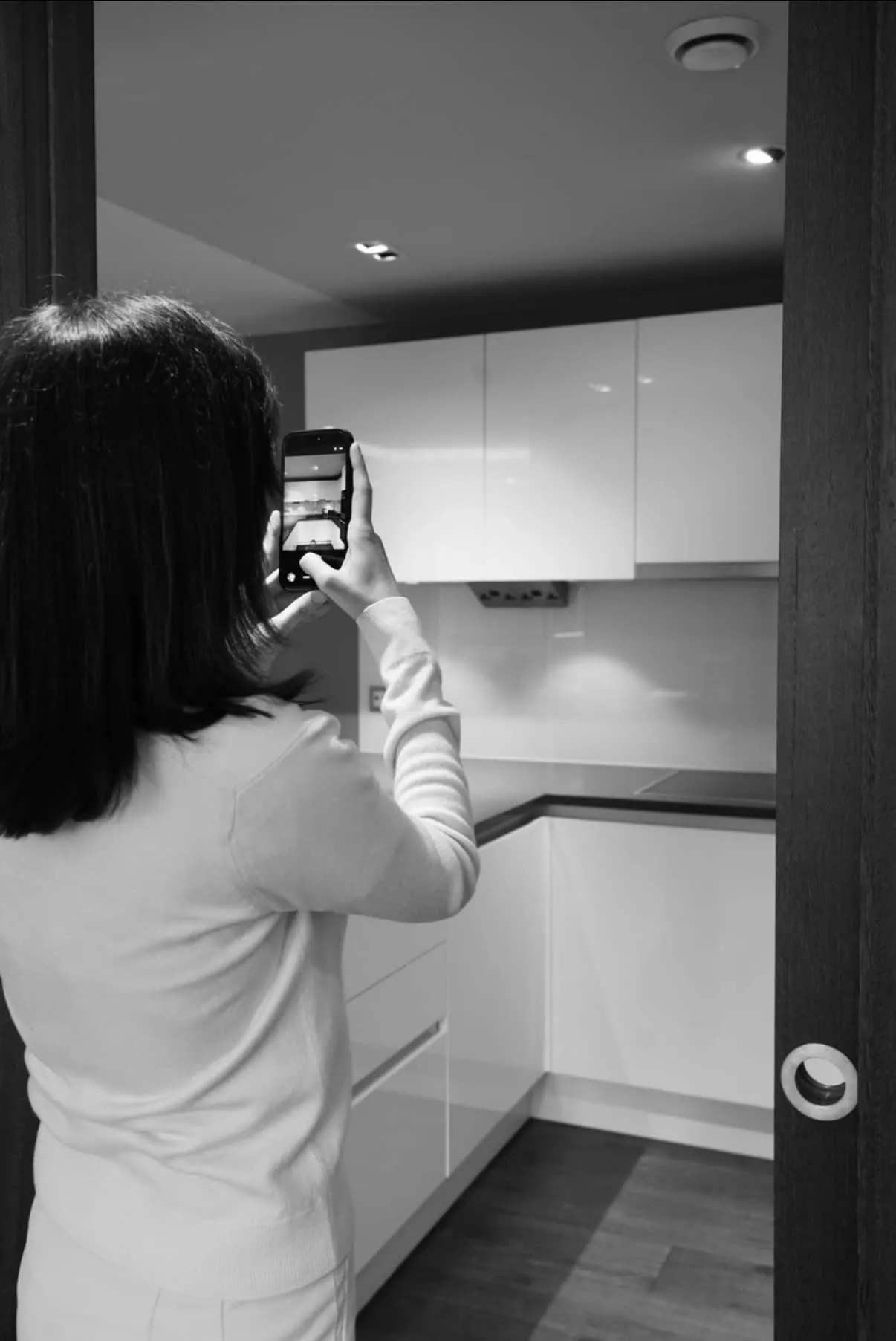
We act as an independent, brand-aligned inspection partner, ensuring every asset, finish, and furnishing is documented with precision before the keys are passed.
This does more than prevent future disputes, it creates a permanent, verifiable record that protects your reputation, supports warranty and snagging processes, and provides buyers with confidence that their investment was delivered exactly as promised.
We work discreetly, and in full coordination with your project and hospitality teams, ensuring that the developer’s vision is not only built but also recorded, preserved, and proven at the highest standard.
Recognised by the standards that matter
Our reports align with the professional frameworks established by ARLA Propertymark and the Tenancy Deposit Scheme (TDS), ensuring landlords and operators are fully prepared for any eventuality.
From report format to photographic evidence standards, we provide the clarity and reliability that regulators, adjudicators, and residents expect.
ARLA Propertymark
sets industry standards for inventory practice through their Level 3 Award in Residential Inventory Management and Practice, establishing the baseline competencies that professional inventory work demands.
The Tenancy Deposit Scheme
protecting millions of deposits annually, relies on quality inventory evidence to make fair adjudication decisions.
Our methodology ensures that hihouse reports meet and exceed these requirements, providing documentation that stands up to scrutiny when it matters most. We don’t just document what’s there. We give our clients the tools to stand behind it, legally, operationally, and with complete confidence.

Frequently asked questions
When should the check-in be completed?
Ideally on move-in day, within hours of key handover. For BTR developments with structured handover schedules, we often complete the inventory during the void period after professional cleaning, then conduct a brief verification meeting with residents on move-in day. This respects tenant time whilst maintaining evidential integrity.
What if the tenant disagrees with the report?
Our process includes tenant consultation during the handover meeting. Any genuine discrepancies are amended immediately, and the final report reflects the agreed condition with tenant signature confirmation.
How long does the check-in process take?
The physical inspection typically requires 45 to 90 minutes for a one-bedroom property, with larger properties requiring proportionally more time. Report compilation happens the same day, with delivery within 24 hours. For BTR handovers where tenants are present, we work efficiently to minimise disruption to their moving day.
Is the tenant required to be present?
We strongly recommend tenant attendance during the handover portion. This ensures transparency, allows immediate clarification of any concerns, and strengthens the legal validity of documentation. When tenants participate in the process and sign the completed inventory, disputes become less likely and easier to resolve when they do occur.
What happens if damage is discovered during check-in?
Any damage found during check-in is documented with detailed photographs and descriptions. We distinguish clearly between pre-existing damage and any issues that may have occurred since the last inspection. For BTR developments, this information feeds back to building management immediately, allowing remediation before residents take occupancy.
How long are the reports stored?
All reports are stored securely in the cloud with lifetime access. You can retrieve your documentation at any time throughout the tenancy and beyond, ensuring you always have access to your legal protection.
Can I amend the check-in report after it’s completed?
Minor amendments are possible within 48 hours of report delivery, provided all parties (landlord, tenant, and our office) agree to changes. Any amendments are clearly documented with timestamps and require digital acknowledgement from all parties. We strongly recommend addressing concerns during the initial handover meeting to avoid complications. Major changes after tenant occupancy may require supplementary inspection to maintain legal validity.