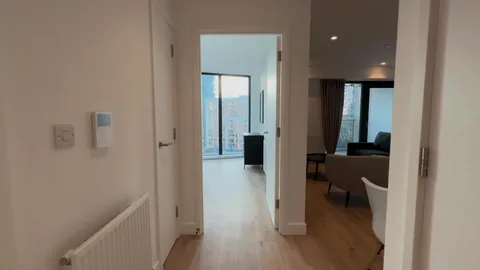
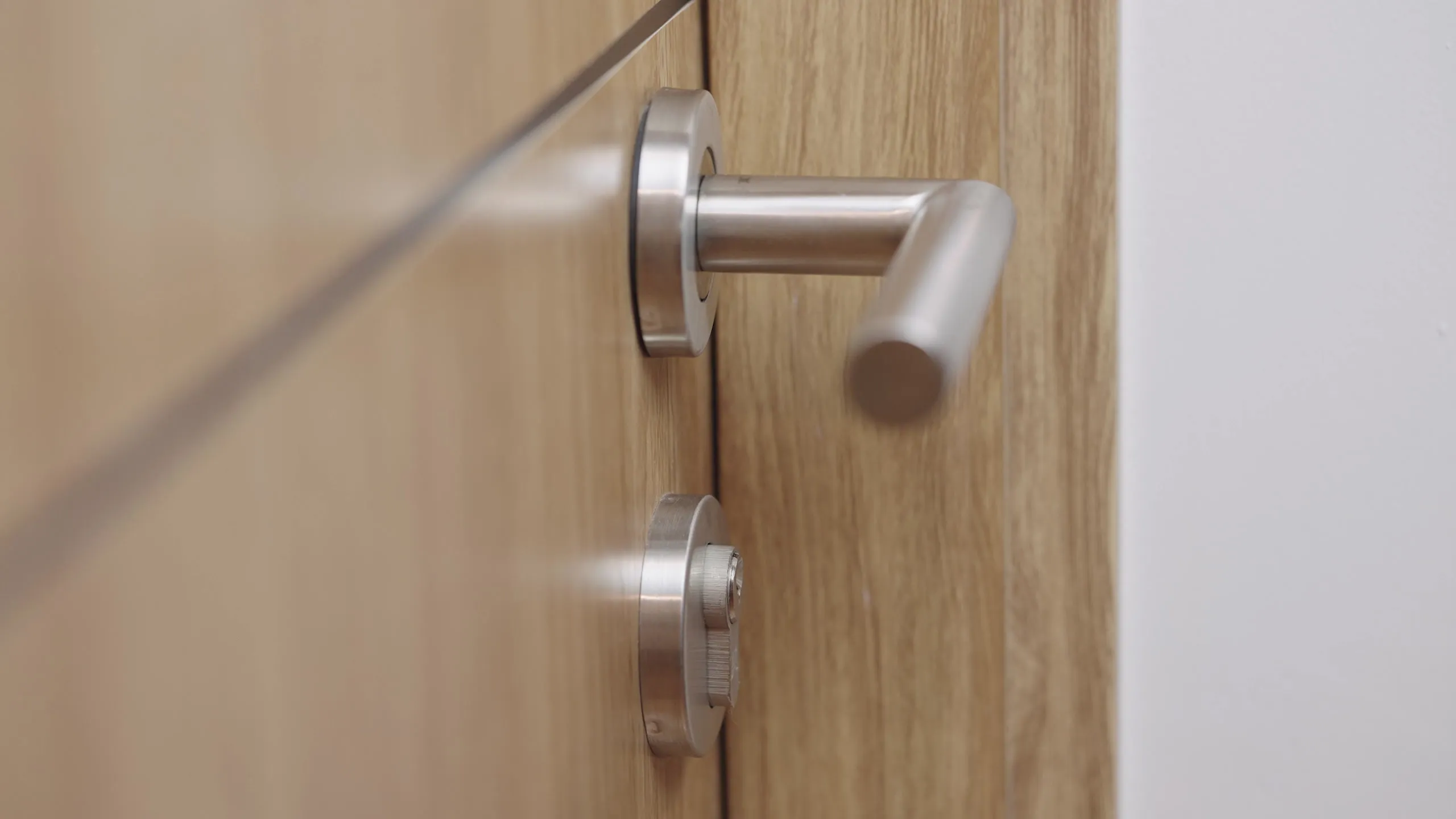
When a property nears practical completion, every detail, no matter how small, carries significance. A misaligned door handle, a slight imperfection or a door that does not close correctly may seem minor alone, yet they can affect resident satisfaction, brand integrity and future maintenance budgets. In London’s build-to-rent and luxury residential markets, a snag report is not a simple checklist: it is a measured pause before handover, ensuring every component meets expectation and every surface reflects care.
We move beyond cosmetic notes to provide a full, actionable record that supports asset integrity and operational planning.
Why snag reports matter
We create bespoke snag reports as an essential measure of quality and foresight. According to leading survey data, almost every new home has multiple defects identified at handover. When properties change hands in high volume, any unresolved snag poses a reputational risk, can lead to costly remediation and risks undermining resident confidence.
A professional snag report has three vital purposes. First, it empowers development and maintenance teams to correct issues ahead of resident arrival. Second, it creates an auditable record that supports warranty and insurance frameworks. Third, executed with precision, it expresses the brand promise, showing residents that every property is delivered to exacting standards. At hihouse we approach snagging with care and intention, to protect the lived experience and the long-term value of the property.

What is a snag report?
A snag report is a formal, independent inspection of a newly built or refurbished property, carried out before a resident takes possession. Its purpose is to identify imperfections, unfinished works, or defects that deviate from the promised standard of completion. Snagging originated as part of internal contractor sign-offs, but in modern developments — especially in Build to Rent and high-end residential schemes — it has become a vital quality assurance mechanism.
While internal site teams may carry out their own checks, a professional snag report introduces a layer of objectivity. It sets a benchmark not just for what has been delivered, but how it has been delivered — ensuring that every surface, installation, and detail meets the standards expected in a competitive, brand-sensitive market.
Use cases
Snag reports are typically carried out at practical completion or just prior to key handover. Common scenarios include:
- Verifying apartment readiness in large Build to Rent schemes before staged release
- Flagging defects in high-end residential units for developer correction
- Supporting operators and asset managers in holding contractors accountable
- Confirming quality and consistency across units in phased completions
- Documenting condition for warranty or liability purposes before occupancy
The snag report becomes the record of truth between delivery and activation. It ensures that the property enters the market — or the tenancy cycle — in the best possible condition.
Snag reporting protects against the gradual erosion of standards that can occur between build completion and tenant move-in. By identifying visible and functional issues early, from scratched surfaces and poor finishes to loose fittings and alignment flaws, we give developers and operators time to resolve them before they become complaints. Every defect logged and resolved before occupation is one less future dispute, one less maintenance call, and one more step toward resident satisfaction.
The components of our snag reporting include
- Full apartment audit. Every room, ceiling, wall, floor, door, , and bathroom fitting is reviewed against design specifications. We note alignment, finishing, gaps, blemishes or inconsistencies with expected standards. Each item is described using precise terminology and standardised language for clarity and consistency.
- Defect identification and grading. We log each snag with its exact location, context and severity. Low level items that require minor adjustment are distinguished from those that require immediate attention or raise safety concerns. This allows teams to prioritise and allocate resources effectively.
- Comprehensive photographic record. Every identified snag is photographed with high resolution images in natural or consistent lighting. Each image is tagged with location metadata and severity classification to support clear communication and accountability.
- Technical and safety inspection. In addition to aesthetic scrutiny, we monitor critical systems where relevant, such as plumbing, electrical fixtures or ventilation. Loose wiring, poor sealing or visible damp are tested or noted for specialist review and action before handover.
- Integration with the handover process. Reports are prepared to align with handover protocols and warranty conditions. This means defects recorded within windows for remedies under NHBC or warranty obligations are documented and reviewed on schedule.
- Executive summary and recommendations. Each report begins with a summary that categorises defects into priority levels. It provides guidance for remediation, implementation timelines and post-completion inspection schedules tailored to each category.
- Follow-up validation visits. We can schedule follow-up inspections to confirm that high-priority issues have been resolved to satisfaction. These visits ensure the snag log is closed out, meaning the property is fully handed over without outstanding concerns.

Frequently asked questions
When should a snag inspection be carried out?
Ideally, snag reports should take place after practical completion but before are handed over to the resident. In some cases, staged snagging is required – first at completion, again after finishing works, and once more before final handover. We coordinate closely with site teams to find the most effective window.
What kind of defects do we report on?
We document a wide range of issues including:
- Cosmetic imperfections (scratches, paint marks, poor finishes)
- Incomplete installations (missing fixtures, poor alignment)
- Functional issues (doors not closing, taps not working, loose fittings)
- Safety concerns (exposed wiring, sharp edges, blocked ventilation)
- Design deviations (mismatched specifications or missing features)
Each issue is clearly photographed, annotated, and graded for urgency and severity.
Do we include recommendations for contractors?
Yes. Where relevant, we include comments that support contractor follow-up or site management resolution. Our reports are designed to integrate into your internal workflows so that every snag becomes an actionable item with traceability and priority.
Can we follow up after snag corrections?
We can schedule return visits to validate that remedial work has been completed to standard. These validation visits close the snag log and confirm that the property is ready for occupation or marketing.
How is a snag report different from a check-in report?
A check-in report documents the condition of a property at the moment it is handed to a resident and is structured for tenancy compliance and deposit protection. A snag report comes earlier. It is a quality assurance document designed to identify problems before a tenant sees them. It protects the brand, the reputation of the developer, and the condition of the asset before any wear and tear begins.
Do we adapt reports based on development needs?
Yes. In Build to Rent schemes or branded residences, we often work with operators to focus on specific items that are known pain points, whether from past experience or portfolio trends. This might include things like rails, mattresses, or appliance functionality. Our role is not just to inspect, but to protect your most vulnerable assets.
How quickly do we send the report?
All snag reports are delivered on the same day as the inspection, including high-resolution photography, annotated defect logs, and executive summaries. Our delivery process is designed to support immediate contractor action and timely handover preparation.
How are reports formatted and stored?
We deliver reports in digital and PDF format. All files are securely stored in the cloud and remain accessible indefinitely. Reports can be archived by address, unit number, or project ID, depending on your internal reference system.