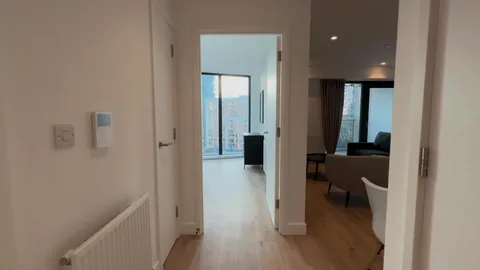

A mid-term inspection is a snapshot of a property’s condition and occupation partway through a tenancy, sitting between check-in and check-out. It catches maintenance issues early, records developing condition changes, and adds to the evidence trail. It is a checkpoint, not a verdict. It settles no deductions, and it requires proper notice, usually at least 48 hours.
A mid-term inspection is a short visit partway through a tenancy that records the property’s condition and confirms it is being lived in and cared for reasonably. It fills the gap that opens up when months pass between the check-in and the check-out with no formal record of what is happening inside.
Where does the interim inspection sit?
Think of a tenancy as having three condition records. The check-in sets the baseline. The check-out measures against that baseline at the end. The mid-term sits in the middle, one or more times, as a progress check.
Here is how the three compare.
Stage
Check-in
Interim inspection
Check-out
Purpose
Set the agreed baseline condition
Provide a snapshot of progress and identify issues early
Measure the final condition against the baseline
Timing
At the start of the tenancy
Partway through the tenancy, according to a schedule agreed by the parties
At the end of the tenancy
What it decides
Establishes the starting point for everything recorded later
Nothing binding. It flags issues but does not make final judgements
Helps determine whether there are grounds for deposit deductions
Notice needed
Arranged as part of the handover
At least 24 hours’ notice and conducted at a reasonable time
Arranged around the end of the tenancy
Detail level
Full, room-by-room inspection with photographs
Lighter inspection focused on condition and occupation, rather than a complete re-inventory
Full, room-by-room inspection compared directly with the check-in
The key line in that table is the middle column of the last row. The interim decides nothing. It is not the moment anyone works out who owes what.
What does a mid-term inspection actually check?
It checks four things, in plain terms.
Emerging maintenance problems.
A slow leak under a sink. A patch of damp forming in a cold corner. Black mould starting around a window. Caught early, these are cheap and simple. Left until check-out, they become expensive and contested. This is the single most useful thing the visit does.
Developing condition changes.
Not fair wear and tear judgements, just a record. A scuffed wall, a cracked tile, a stained carpet. Noting it now, with a date, means nobody has to argue eleven months later about when it happened.
Occupation and basic care.
Is the property being lived in as agreed? Is it broadly clean and ventilated? Are there signs of, say, an undisclosed pet or subletting? The point is a factual note, not a character assessment.
Safety touchpoints.
A quick look that smoke alarms are in place and, where fitted, carbon monoxide alarms. This is an informal observation that supports the landlord’s ongoing safety duties. It is not a formal alarm test and it does not replace any required testing or certification.

What a mid-term inspection is not
It is not a check-out. It does not compare the property against the check-in report line by line, and it does not produce a schedule of dilapidations.
It is not a moment to make deductions. A deposit deduction is settled at the end of the tenancy, measured against the check-in baseline and after fair wear and tear is taken off. Nothing an interim note contains can be turned into a charge partway through the tenancy. The interim’s value is as evidence later, not as a bill now.
It is not an unannounced visit. More on that next.
Can a landlord turn up without warning?
No. A landlord or their agent must give proper notice before entering, normally at least 48 hours, and must visit at a reasonable time of day. The tenant has the right to quiet enjoyment of their home, which is a legal principle that protects them from being disturbed without cause. GOV.UK’s private renting guidance sets out that a landlord has to give notice and cannot enter whenever they like.
So an interim inspection is arranged, not sprung. In practice that means a written message giving the date and time, with room for the tenant to suggest an alternative if it does not suit. Turning up unannounced is not an inspection. It is a breach of the tenant’s rights.

How is the visit usually run?
Step by step, a typical interim runs like this.
-
Give notice. Confirm the date and time in writing, at least 24 hours ahead.
-
Walk the property. Room by room, but lighter than a check-in. Look for the four things above.
-
Photograph anything relevant. A dated photo of a forming damp patch is worth more than a paragraph describing it.
-
Write a short report. Plain notes, plus any photos. It records what was seen on the day.
-
Act on maintenance. If something needs fixing, this is where the value lands. Report it, arrange the repair, close the loop.
-
Share the record. Both parties benefit from having a copy.
The whole thing is usually quick. It is a checkpoint, not an ordeal.
Why does this matter more now?
Recent reform of assured tenancies in England has moved them towards a rolling periodic basis, changing how fixed terms operate. In practice, tenancies can run longer, with no fixed end date pushing towards a check-out.
That widens the gap between check-in and check-out. A tenancy might run for years before anyone produces a final report. The longer that gap, the more valuable regular interim records become, because they are the only dated evidence of condition across the middle of the tenancy. See GOV.UK’s Renters’ Rights Act guidance for the wider changes.
To be clear about what the law does and does not say: no legislation requires an interim inspection. A professional inventory and interim visits are good practice and strong evidence, not a legal duty. What the law does require is proper notice before entry and respect for the tenant’s quiet enjoyment.
Does it serve the landlord or the tenant?
Both. That is the point worth holding onto.
For the landlord, it is early warning on repairs and a running record of care. For the tenant, it is a chance to raise problems, and a dated log that protects them from being blamed at check-out for something that was there all along, or that developed as ordinary wear. A good interim is neutral evidence. It is not a tool for one side to use against the other.
Key takeaways
- A mid-term inspection is a mid-tenancy snapshot.
- It catches problems early, records condition with dates, and builds the evidence trail between check-in and check-out.
- It decides nothing, and it never justifies a charge partway through.
- It needs proper notice every time.
- With tenancies now able to run longer, a regular schedule of mid-term visits is sensible practice.
This is general information, not legal advice for a specific tenancy. If you are unsure about access rights or a particular dispute, take advice from a qualified professional.
Sources:
- GOV.UK: Private renting (landlord access and inspections): gov.uk/private-renting
- GOV.UK: Renters’ Rights Act guidance: gov.uk/government/…